01
Maximum
Declared figure
How to maintain performance and reduce risks at home, in the car and during the flight.
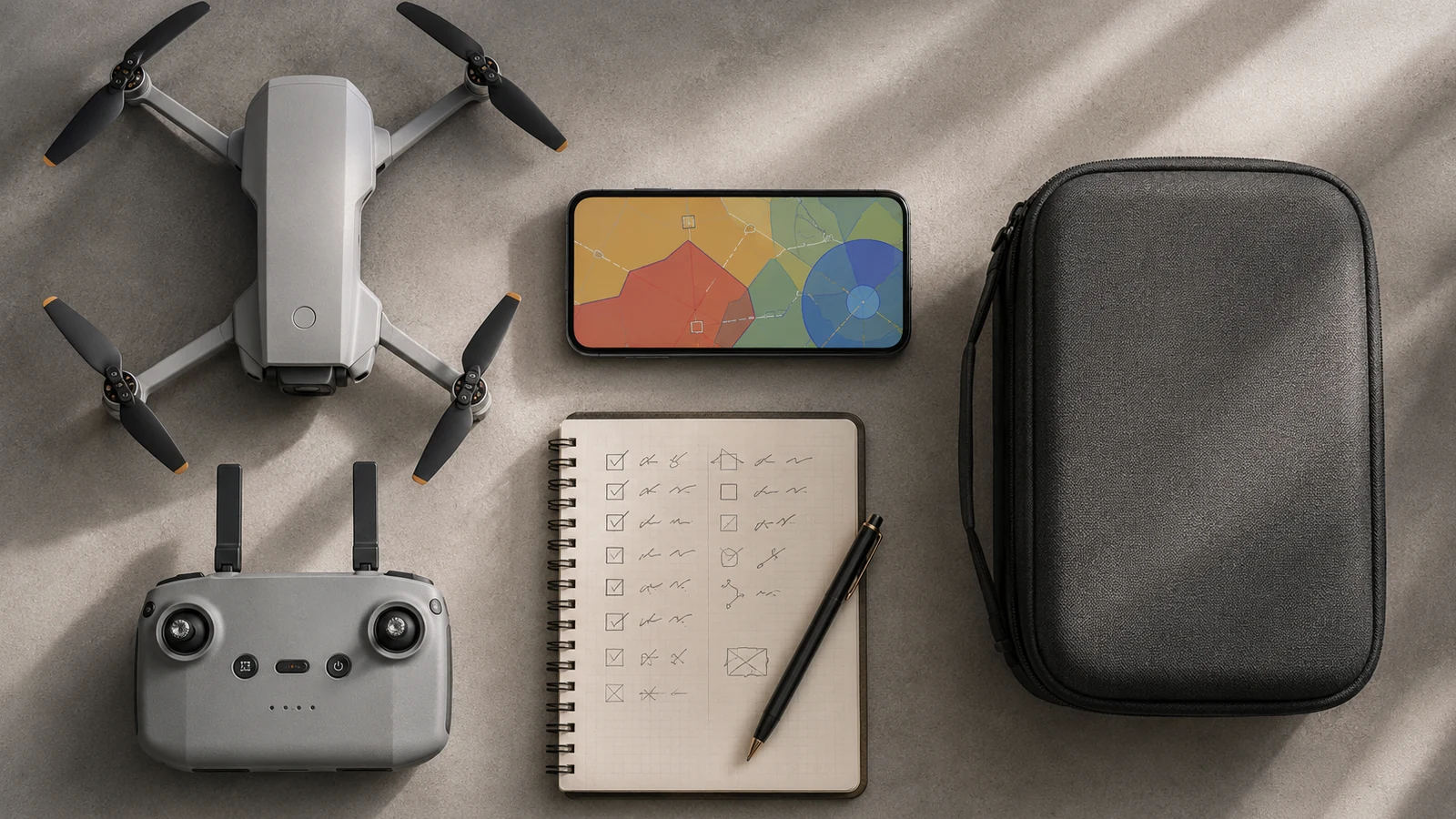
Read the tour before going into the detail. Each block answers a different question and ends in a practical check.
Declared figure
Wind, cold and maneuvers
Return and margin
Batteries, pauses and charging
Let the battery cool after the flight, check that there are no bumps, swelling or damaged connectors and only use the charger or hub compatible with the model.
For long periods, follow the storage level indicated by the manufacturer. Many smart batteries automatically discharge to a conservation level; Don't interrupt that process without reason.
Avoid closed cars from the sun, extreme cold and humidity. Transport each battery protected against short circuits and consult the company's conditions when traveling by plane.
A swollen, beaten or abnormal battery does not return to service because it has recovered voltage. Isolate the terminals and take it to a suitable collection point.
Start with the exact model documentation, not the family name. Check which mode, accessory or feature is available on that variant and under what conditions. A maximum figure is used for comparison; To plan you also need its limits, the configuration used and the margin required by your environment.
It then tests the coherence of the entire system: aircraft, controller, batteries, storage, application, spare parts and workflow. If a compatibility is missing or the source does not distinguish between packs, keep it pending. This discipline avoids paying for a capability you can't use or building an operation on an ambiguous promise.
Divide the energy into three bags: departure and capture, return and reserve. Booking is not additional creative time. If the return will be against the wind or over terrain with no alternatives, the margin must increase and the turning point must arrive sooner.
Observe trends, not an isolated reading. It records percentage when taking off, when starting return and when landing, as well as wind and temperature. After several sessions you will have your own factor that is more useful than copying a maximum autonomy measured in different conditions.
The kit should last the entire day. It counts cooling, load, travel, number of cycles and availability of outlets. More batteries don't always mean more uptime if the charge flow and preparation of each location creates the real bottleneck.
In drone batteries: charging, care and storage, a good decision does not come from a single specification. First define the result you are looking for, identify the capacity that makes it possible and then check its limits in the real environment. Only then does it make sense to compare models or accessories.
Declared figure. Check what it provides, under what conditions it works and what limitation can change your decision.
Wind, cold and maneuvers. Check what it provides, under what conditions it works and what limitation can change your decision.
Return and margin. Check what it provides, under what conditions it works and what limitation can change your decision.
Batteries, pauses and charging. Check what it provides, under what conditions it works and what limitation can change your decision.
One battery may be enough if the plan is prepared and the area has already been checked. Keep room to repeat and land without rushing.
Two or three batteries expand the creative window, but you must account for changes, cooling, wind and travel time between locations.
On water, with cold or variable wind, it increases the reserve and establishes an early return. Maximum autonomy is no longer a planning reference.
Look for an exact model name, variant and package contents. Separate the confirmed features from the general promises and assess the cost of the complete system: batteries, control, storage, protection, spare parts and really necessary accessories.
If two products do not solve the same use, they are not comparable even if they have a similar price. If an essential piece of information does not appear in the variant documentation, consider it pending and not an advantage.
If a decision depends on the specific location, the marking of the drone or the type of operation, always confirm the case with CAA and CAA airspace alerting guidance before taking off.
Three models to continue the comparison with the criteria you just reviewed.
Editorial selection. Links to Amazon are affiliate links; confirm model, seller, availability and variant before purchasing.
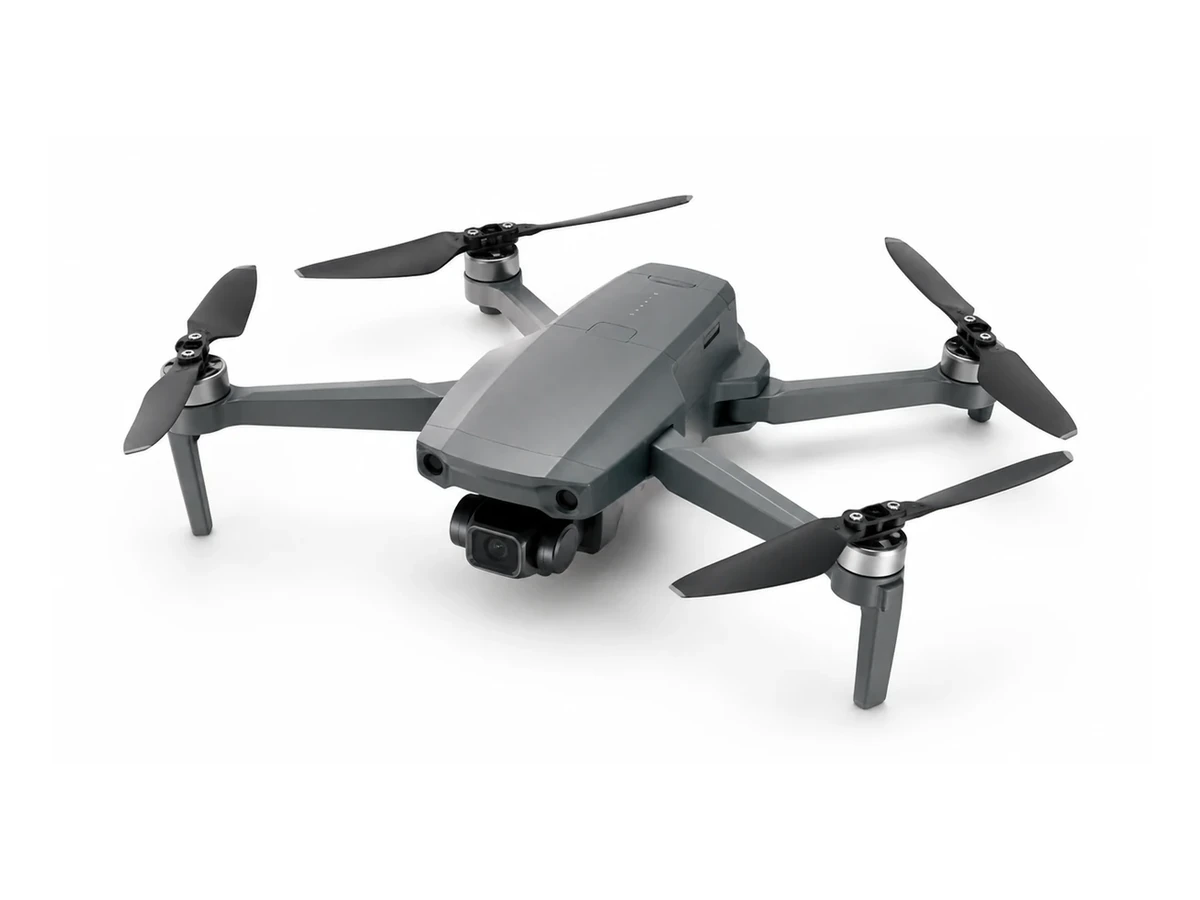 EDITORIAL REPRESENTATION
DJI Mini 4 Pro aimed at tracking, traveling and content creation. Compare weight, camera, stabilization, security and exact contents of the pack before deciding.
Add to comparison →Check the exact variant before buying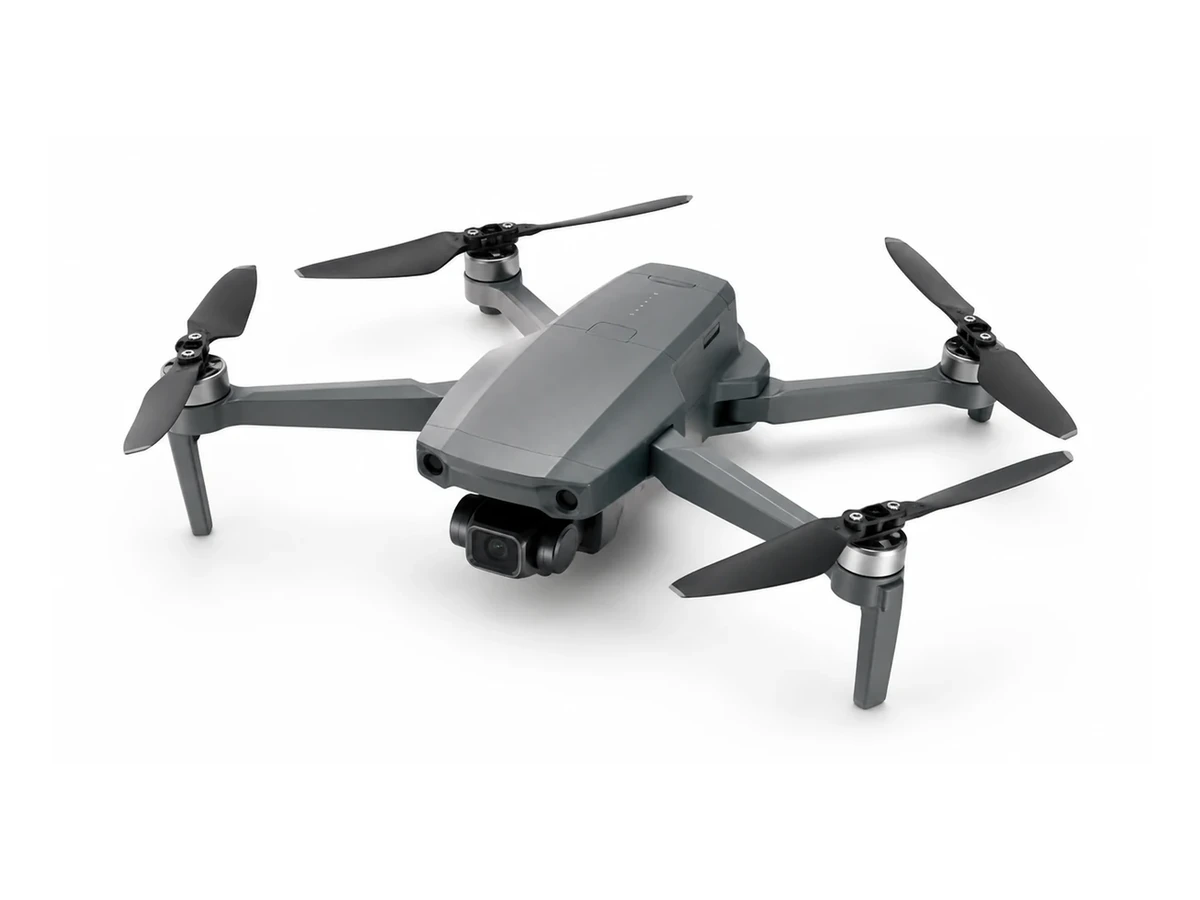 EDITORIAL REPRESENTATION
Potensic ATOM 3 aimed at tracking, travel and content creation. Compare weight, camera, stabilization, security and exact contents of the pack before deciding.
Add to comparison →Check the exact variant before buying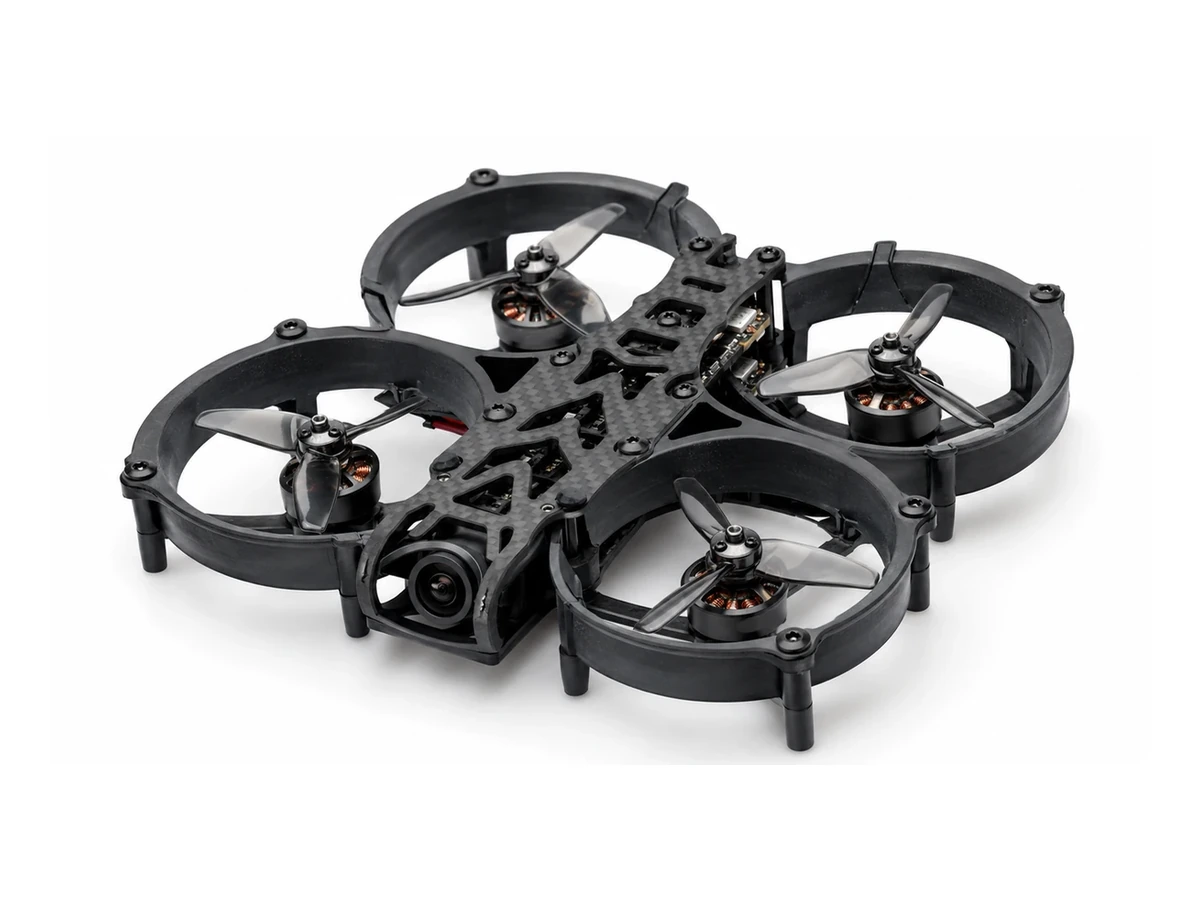 EDITORIAL REPRESENTATION
DJI Avata 2 aimed at fpv flight and immersive image. Compare weight, camera, stabilization, security and exact contents of the pack before deciding.
Add to comparison →Check the exact variant before buying