01
Use
What do you want to achieve?
A decision in six steps: use, regulations, camera, security, autonomy and total cost.
Read the tour before going into the detail. Each block answers a different question and ends in a practical check.
What do you want to achieve?
Weight, camera and security
Remote control, batteries and accessories
Seller, variant and return
“I want a good drone” is not enough. Define whether you are looking for travel memories, vertical video, photography, tracking, FPV or learning. Each use changes the weight you must give to the camera, sensors, size and controller.
A C0 drone of less than 250 g simplifies many scenarios, but does not eliminate registration, privacy or geographical areas. A larger device may offer more chamber or wind, in exchange for different operational demands.
Compare sensor, optics, gimbal, bitrate, profiles, vertical and resolution. For stable video, a three-axis gimbal often matters more than a flashy megapixel number. For networks, check if the vertical is real or clipped.
GPS/GNSS, return to home, obstacle detection, guards, tracking and transmission quality help, but no feature is a substitute for planning. Also look at the interface, spare parts and clarity of the manual.
Compare the pack you need, not just the entry price.
Choose three candidates, confirm official documentation, compare two side by side and check the exact commercial variant. If a specification does not appear in a primary source, treat it as pending, not true.
Start with the exact model documentation, not the family name. Check which mode, accessory or feature is available on that variant and under what conditions. A maximum figure is used for comparison; To plan you also need its limits, the configuration used and the margin required by your environment.
It then tests the coherence of the entire system: aircraft, controller, batteries, storage, application, spare parts and workflow. If a compatibility is missing or the source does not distinguish between packs, keep it pending. This discipline avoids paying for a capability you can't use or building an operation on an ambiguous promise.
Only compare models that solve the same use. Standardizes the pack and separates the entry price from the cost necessary to fly: control, batteries, storage, transportation and spare parts. A bargain ceases to be a bargain when essential pieces are missing.
Give more weight to the differences you'll notice each week: setup time, application clarity, stability, link quality, spare parts availability, and ease of transporting the system. Flashy features matter only if they enhance your core mission.
Close the list with three candidates and a purchase reason for each one. If two ratios are identical, eliminate the one with the most uncertainties. If no reason justifies the price jump, stay in the lower range and reserve budget for the complete kit.
In how to choose a drone in 2026, a good decision does not come from a single specification. First define the result you are looking for, identify the capacity that makes it possible and then check its limits in the real environment. Only then does it make sense to compare models or accessories.
What do you want to achieve?. Check what it provides, under what conditions it works and what limitation can change your decision.
Weight, camera and security. Check what it provides, under what conditions it works and what limitation can change your decision.
Remote control, batteries and accessories. Check what it provides, under what conditions it works and what limitation can change your decision.
Seller, variant and return. Check what it provides, under what conditions it works and what limitation can change your decision.
Look for simplicity, clear documentation, spare parts and a pack that you can use from day one. Avoid paying for features you don't know if you need yet.
Identify what specific limit you want to overcome: camera, wind, tracking, autonomy, control or ecosystem. If you can't name it, maybe you don't need to upgrade.
Consider batteries, charging, transportation, maintenance, after-sales service, and preparation time. The daily experience depends on the entire system.
Look for an exact model name, variant and package contents. Separate the confirmed features from the general promises and assess the cost of the complete system: batteries, control, storage, protection, spare parts and really necessary accessories.
If two products do not solve the same use, they are not comparable even if they have a similar price. If an essential piece of information does not appear in the variant documentation, consider it pending and not an advantage.
If a decision depends on the specific location, the marking of the drone or the type of operation, always confirm the case with CAA and CAA airspace alerting guidance before taking off.
Three models to continue the comparison with the criteria you just reviewed.
Editorial selection. Links to Amazon are affiliate links; confirm model, seller, availability and variant before purchasing.
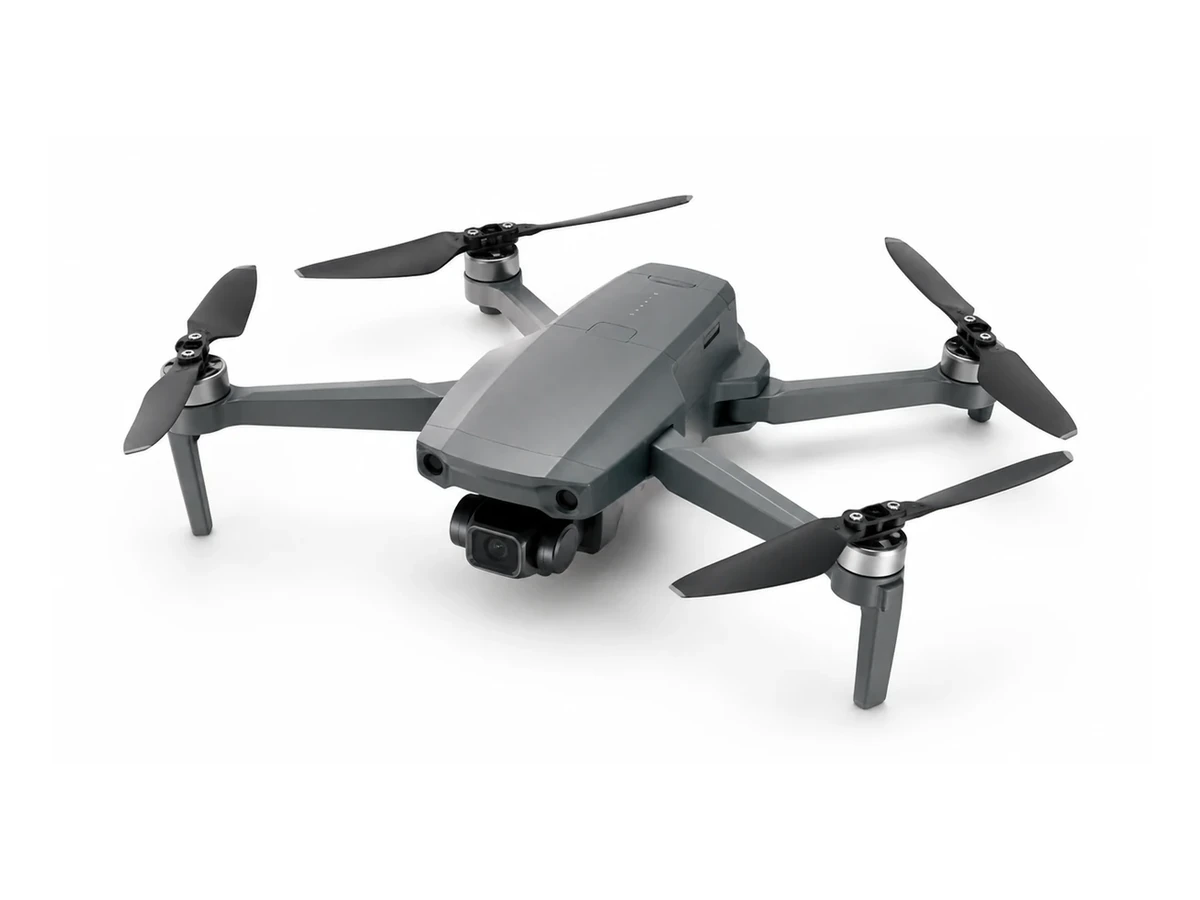 EDITORIAL REPRESENTATION
DJI Mini 4 Pro aimed at tracking, traveling and content creation. Compare weight, camera, stabilization, security and exact contents of the pack before deciding.
Add to comparison →Check the exact variant before buying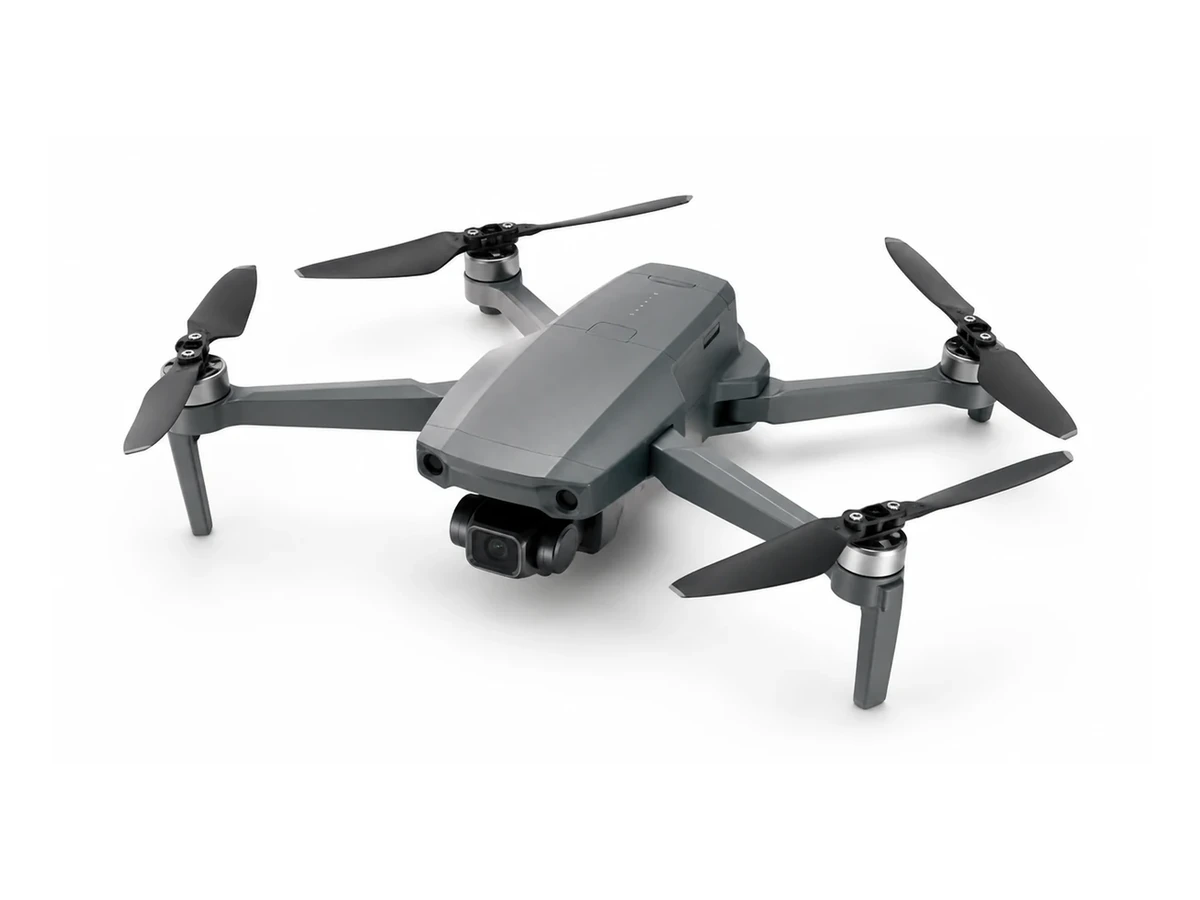 EDITORIAL REPRESENTATION
Potensic ATOM 3 aimed at tracking, travel and content creation. Compare weight, camera, stabilization, security and exact contents of the pack before deciding.
Add to comparison →Check the exact variant before buying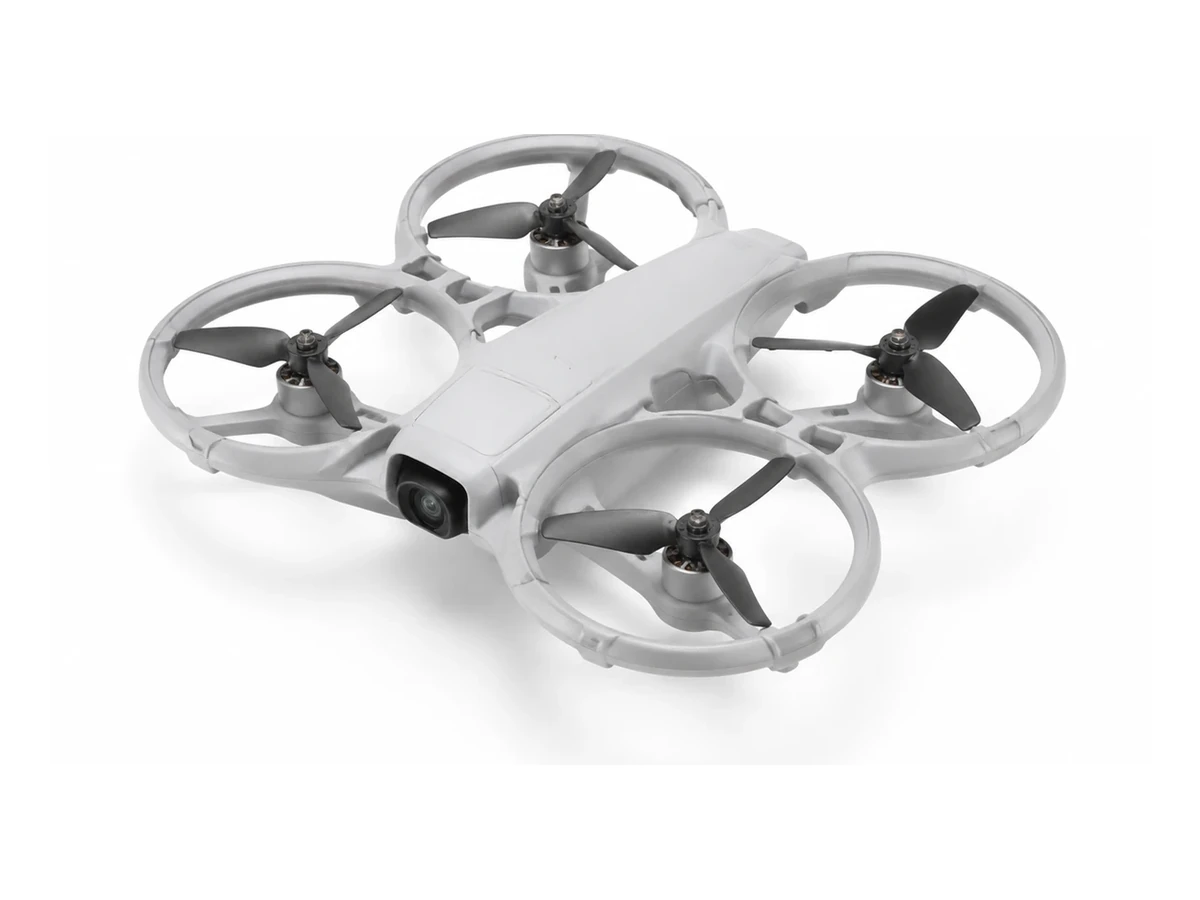 EDITORIAL REPRESENTATION
DJI Neo 2 aimed at first flights and supervised learning. Compare weight, camera, stabilization, security and exact contents of the pack before deciding.
Add to comparison →Check the exact variant before buying