01
Product
Age, marking and protectors
Protectors, easy control and spare parts matter more than an inflated tube.
Read the tour before going into the detail. Each block answers a different question and ends in a practical check.
Age, marking and protectors
Clear interior or controlled exterior
Speed, height and stop
Supervision and learning
Check the recommended age, the product marking and the applicable regulations. Small does not automatically mean toy.
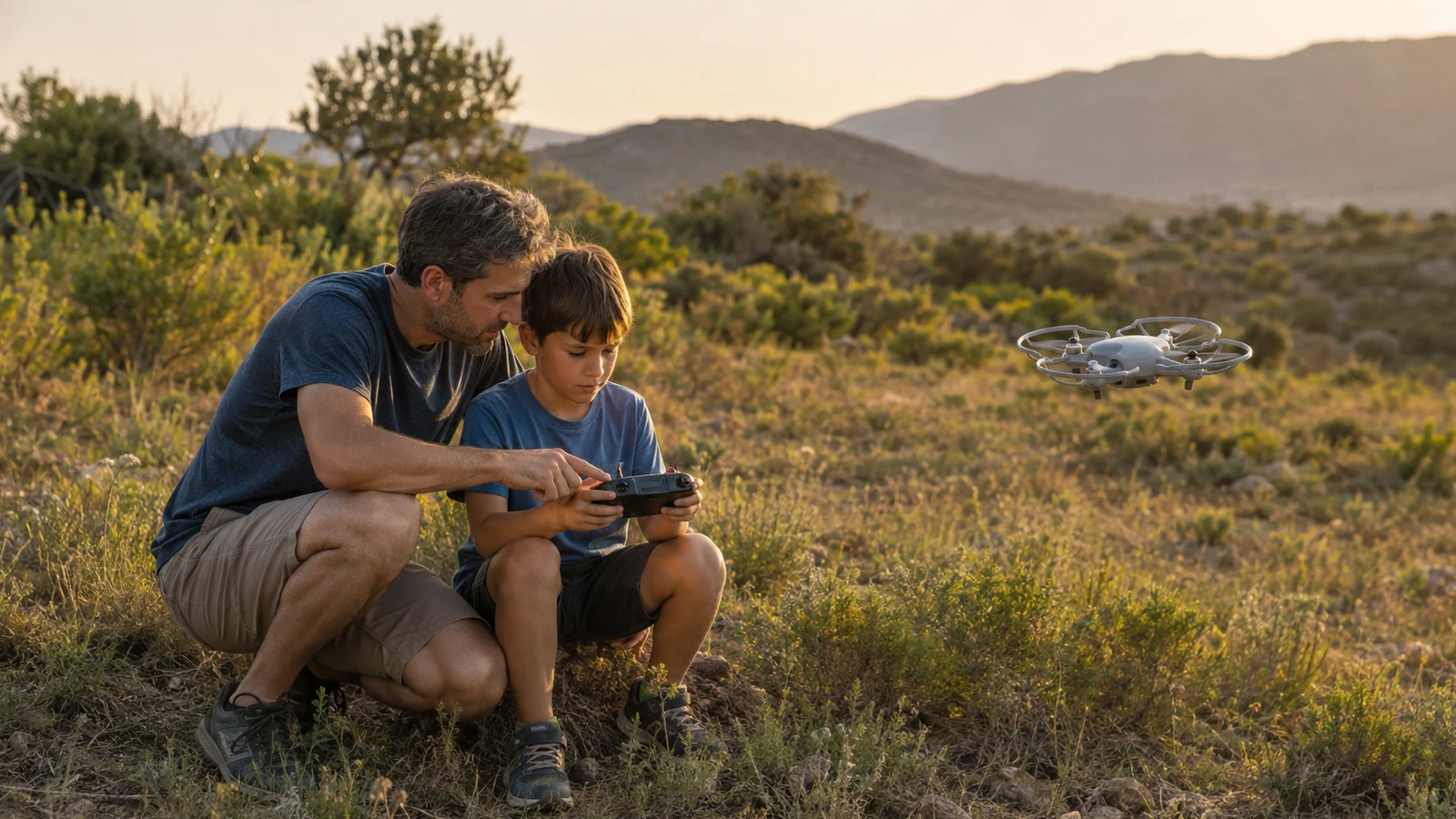
Prioritizes propeller guards, moderate power, emergency stop, flight space and active monitoring. Indoors, it also protects objects and pets.
Headless mode, height hold, and adjustable speeds can help at first. It is advisable for the child to learn orientation, low battery and landing before using the camera.
Available propellers, batteries and motors extend product life more than an extensive list of features. Please check the exact reference before purchasing.
The open category is the reference for much of recreational and low-risk flying, and is divided into A1, A2 and A3. The fit does not depend on a single figure: the class marking, the weight, the distance from people and the conditions of the operation intervene. That is why a product sheet is never equivalent to a flight permit.
In Spain, it separates three questions. First, if you must register as an operator; second, what formation corresponds to the planned flight; Third, what conditions the specific geographical area imposes. CAA publishes the procedures and requirements. CAA airspace alerting guidance allows you to consult areas and warnings to plan the operation. Repeat the query before taking off: a saved capture does not necessarily reflect subsequent changes or warnings.
Start in a clear room or a highly controlled outdoor area, with reduced speed and protected propellers. Practice starting, cocking, hovering, turning and landing in short sessions. The adult maintains supervision and decides when the practice ends.
Resistance is no substitute for prevention. After a crash, stop the engines and check propellers, guards, arms and battery. Having exact spare parts and a clear stop avoids turning a small damage into a breakdown or an unpredictable flight.
Evaluate learning by control and safety, not by camera quality. If the child can already maintain orientation, land and respect limits, then it makes sense to consider a system with positioning or a better camera.
In drones for children: safety and sensible purchasing, a good decision does not come from a single specification. First define the result you are looking for, identify the capacity that makes it possible and then check its limits in the real environment. Only then does it make sense to compare models or accessories.
Age, marking and protectors. Check what it provides, under what conditions it works and what limitation can change your decision.
Clear interior or controlled exterior. Check what it provides, under what conditions it works and what limitation can change your decision.
Speed, height and stop. Check what it provides, under what conditions it works and what limitation can change your decision.
Supervision and learning. Check what it provides, under what conditions it works and what limitation can change your decision.
Choose protected propellers, low speed and a clear room. Supervision must be maintained throughout the flight.
The wind can easily carry a mini drone. Practice close, with limited height and without people or animals in the path.
Stop the flight and check propellers, guards and engines. Having correct spare parts avoids continuing to use a deformed part.
Look for an exact model name, variant and package contents. Separate the confirmed features from the general promises and assess the cost of the complete system: batteries, control, storage, protection, spare parts and really necessary accessories.
If two products do not solve the same use, they are not comparable even if they have a similar price. If an essential piece of information does not appear in the variant documentation, consider it pending and not an advantage.
If a decision depends on the specific location, the marking of the drone or the type of operation, always confirm the case with CAA and CAA airspace alerting guidance before taking off.
Three models to continue the comparison with the criteria you just reviewed.
Editorial selection. Links to Amazon are affiliate links; confirm model, seller, availability and variant before purchasing.
 EDITORIAL REPRESENTATION
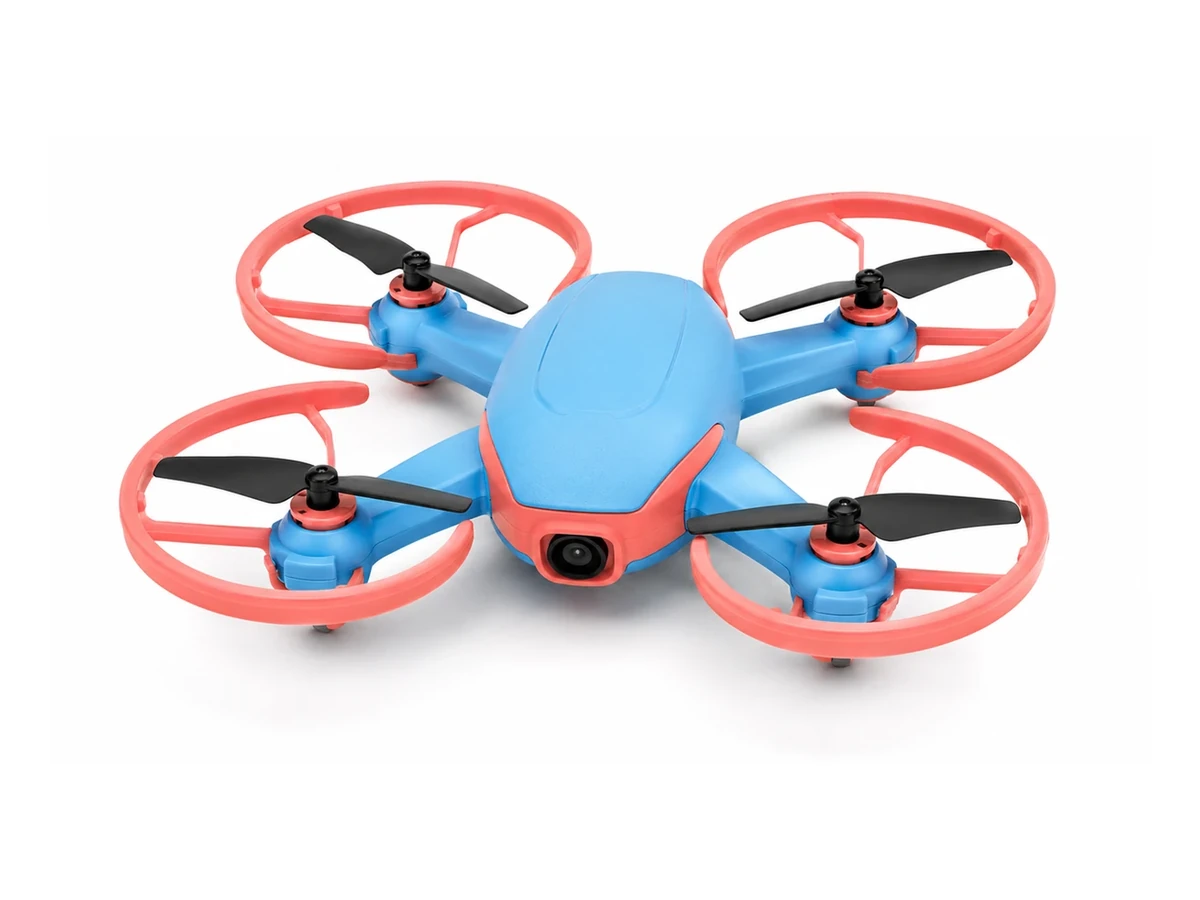
Holy Stone HS290 aimed at first flights and supervised learning. Compare weight, camera, stabilization, security and exact contents of the pack before deciding.
Add to comparison →Check the exact variant before buying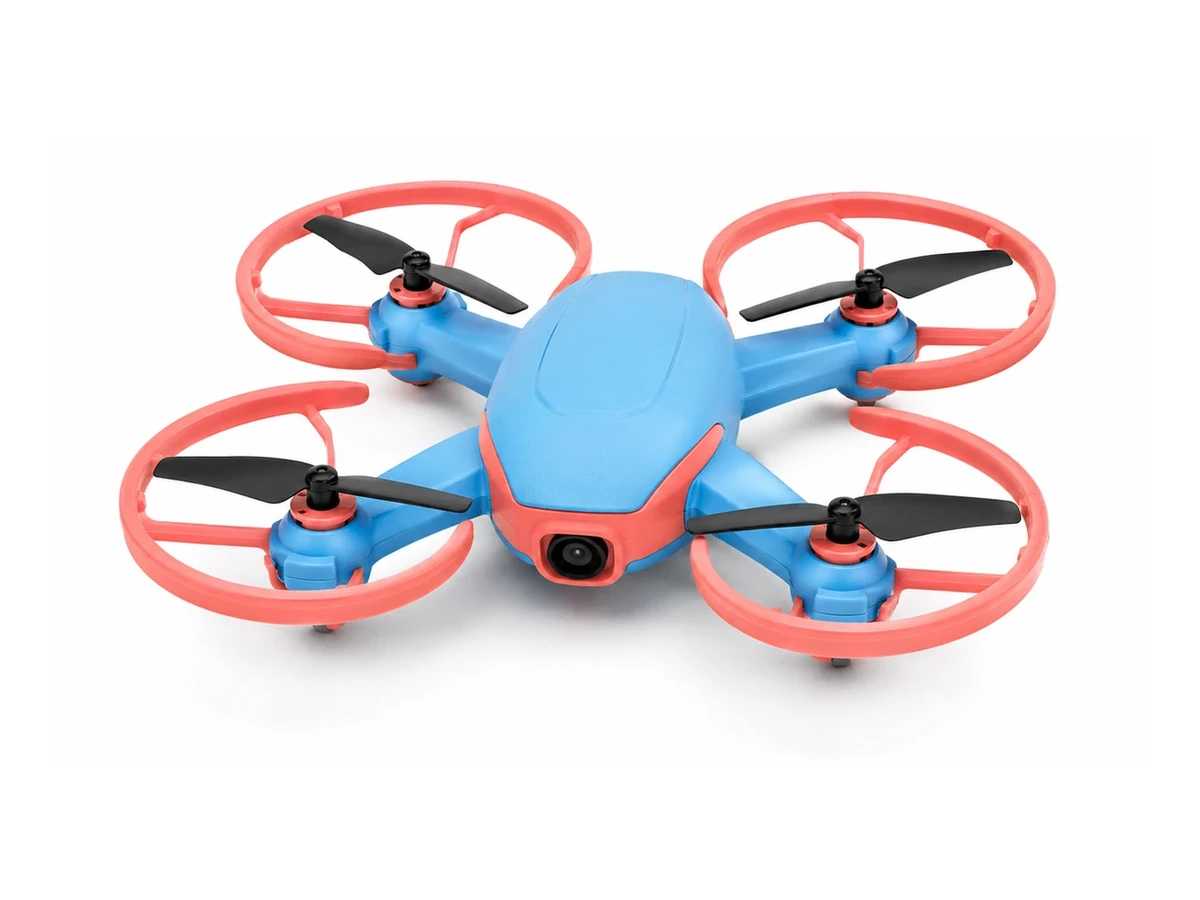 EDITORIAL REPRESENTATION
Loolinn U61 aimed at first flights and supervised learning. Compare weight, camera, stabilization, security and exact contents of the pack before deciding.
Add to comparison →Check the exact variant before buying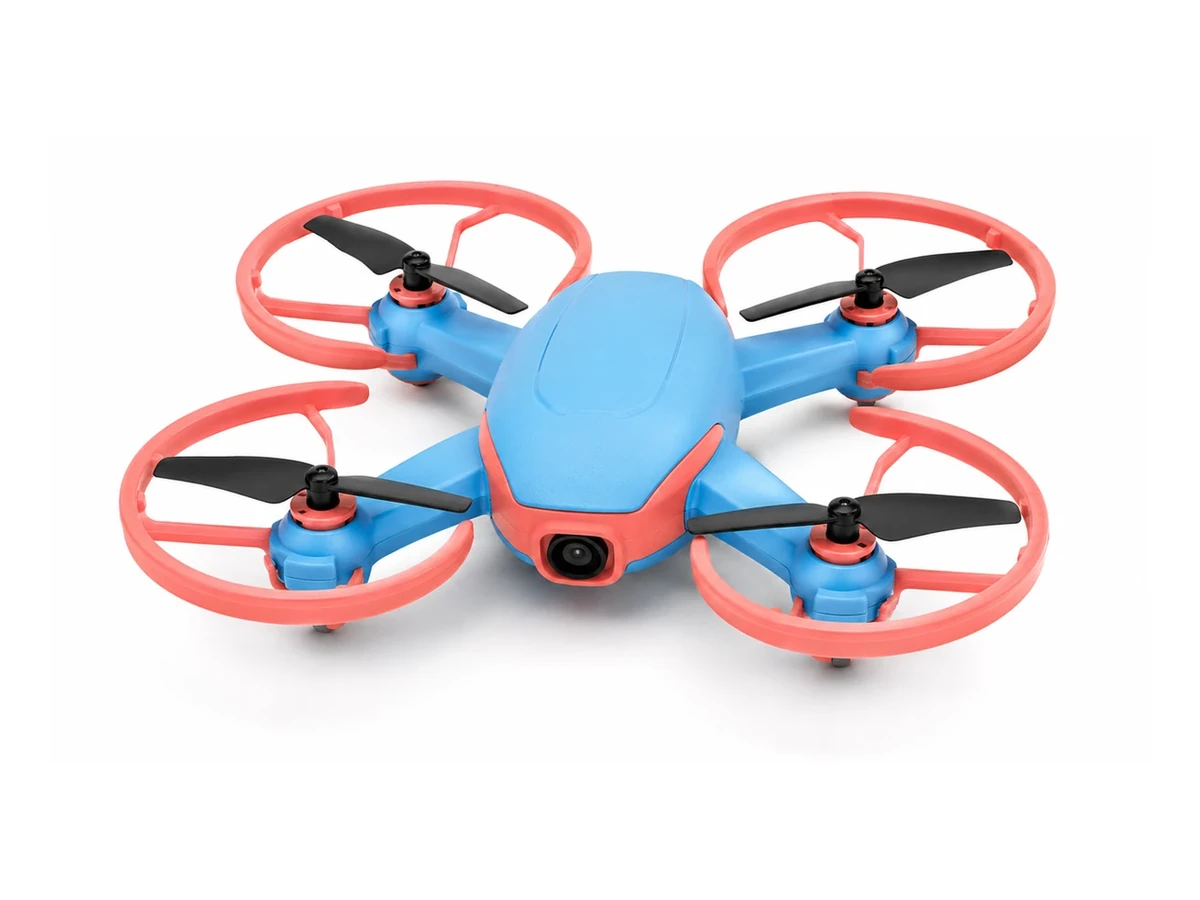 EDITORIAL REPRESENTATION
AVIALOGIC Mini drone 1080p B0C43BD4KZ aimed at first flights and supervised learning. Compare weight, camera, stabilization, security and exact contents of the pack before deciding.
Add to comparison →Check the exact variant before buying