01
Capture
Light, optics and sensor
Resolution, sensor and gimbal do not weigh the same; Learn to read the camera as a complete system.
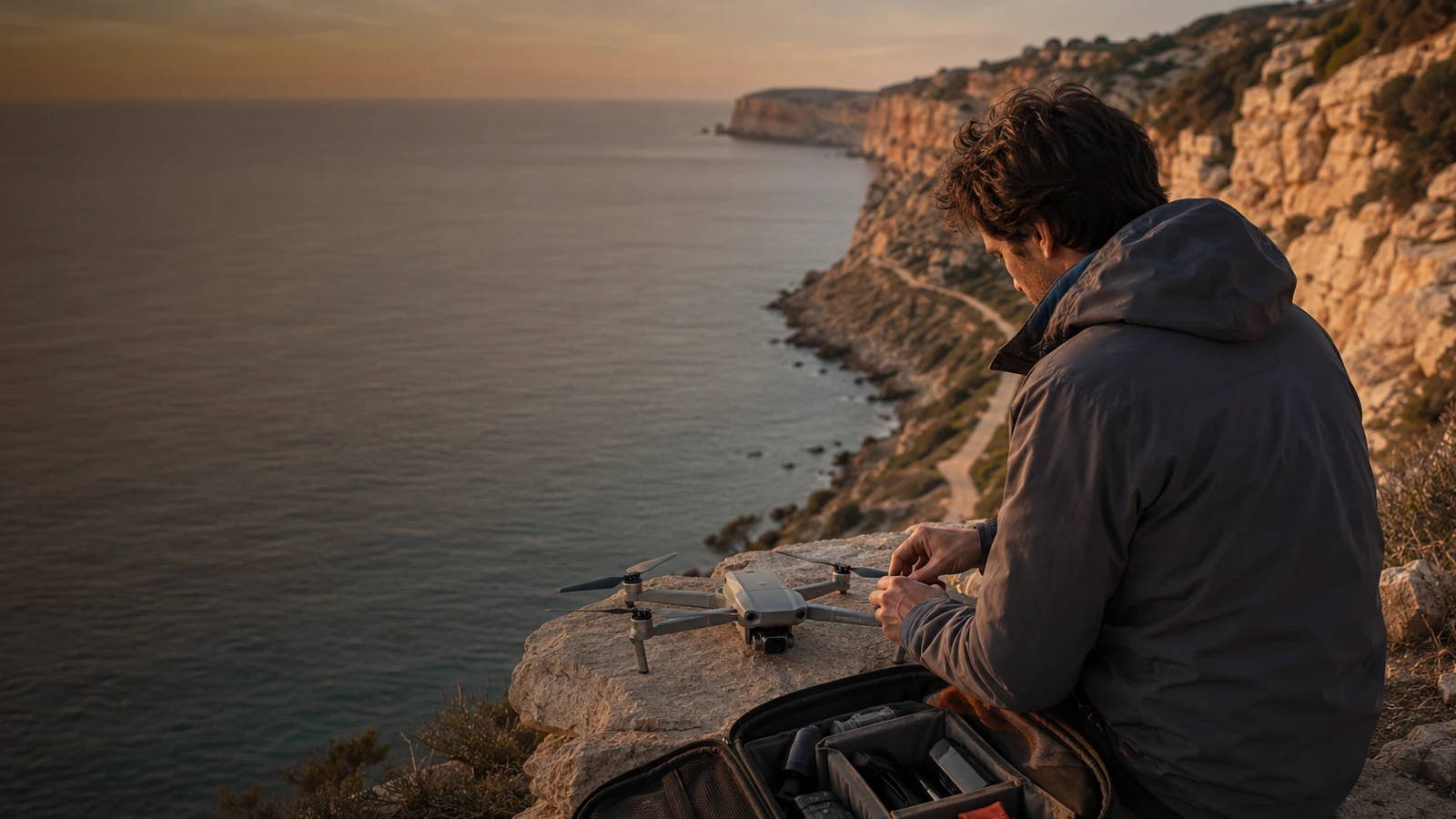
Read the tour before going into the detail. Each block answers a different question and ends in a practical check.
Light, optics and sensor
Gimbal, shutter and trajectory
Bitrate, profile and card
Copying, editing and formatting
A larger sensor usually offers better margin in difficult light and dynamic range, but optics, processing, bitrate and color profile also matter. Megapixels alone do not predict quality.
The gimbal physically stabilizes the camera; EIS electronically trims and corrects. For smooth movements and consistent horizon, the three-axis gimbal remains a strong reference.
Compare frame rate, bitrate, color depth, codec, cropping and logarithmic profile availability. 4K/60 facilitates movement; 4K/120 works for slow motion, but may impose cropping or compromises.
For networks it matters if the vertical is optical or a cutout. For photography, check out RAW, bracketing and panoramas. For tracking, it assesses detection, obstacle avoidance, and environmental boundaries.
Start with the exact model documentation, not the family name. Check which mode, accessory or feature is available on that variant and under what conditions. A maximum figure is used for comparison; To plan you also need its limits, the configuration used and the margin required by your environment.
It then tests the coherence of the entire system: aircraft, controller, batteries, storage, application, spare parts and workflow. If a compatibility is missing or the source does not distinguish between packs, keep it pending. This discipline avoids paying for a capability you can't use or building an operation on an ambiguous promise.
Define the delivery: photography, horizontal video, vertical video for networks, slow motion or material for color grading. That decision sets resolution, frequency, profile, shutter, storage and editing time. A more demanding mode only adds value if your card, computer and flow can support it.
Separates sharpness from stability. Optics and focus determine detail; the gimbal controls orientation; shutter and trajectory change the sensation of movement; wind and digital correction can introduce clipping or artifacts. Review each layer instead of attributing everything to the number of pixels.
Before an important session, record a short test with final mode, review the file on the big screen and calculate capacity and copies. Carry a less demanding backup configuration for when light, wind or storage do not allow you to maintain the ideal plan.
In drone photography and video: what specifications matter, a good decision does not come from a single specification. First define the result you are looking for, identify the capacity that makes it possible and then check its limits in the real environment. Only then does it make sense to compare models or accessories.
Light, optics and sensor. Check what it provides, under what conditions it works and what limitation can change your decision.
Gimbal, shutter and trajectory. Check what it provides, under what conditions it works and what limitation can change your decision.
Bitrate, profile and card. Check what it provides, under what conditions it works and what limitation can change your decision.
Copying, editing and formatting. Check what it provides, under what conditions it works and what limitation can change your decision.
Prioritizes quick preparation, vertical, gimbal and easy transfer. A 4K mode that requires too much cropping or editing may provide less than a reliable stream.
Look sensor, RAW, bracketing, dynamic range and stability in wind. Resolution is only useful if optics, processing and exposure preserve detail.
Compare bitrate, color depth, profiles, frame rate, codec and compatibility with your editor. Add cards, filters and copy time to the actual cost.
Look for an exact model name, variant and package contents. Separate the confirmed features from the general promises and assess the cost of the complete system: batteries, control, storage, protection, spare parts and really necessary accessories.
If two products do not solve the same use, they are not comparable even if they have a similar price. If an essential piece of information does not appear in the variant documentation, consider it pending and not an advantage.
If a decision depends on the specific location, the marking of the drone or the type of operation, always confirm the case with CAA and CAA airspace alerting guidance before taking off.
Three models to continue the comparison with the criteria you just reviewed.
Editorial selection. Links to Amazon are affiliate links; confirm model, seller, availability and variant before purchasing.
 EDITORIAL REPRESENTATION
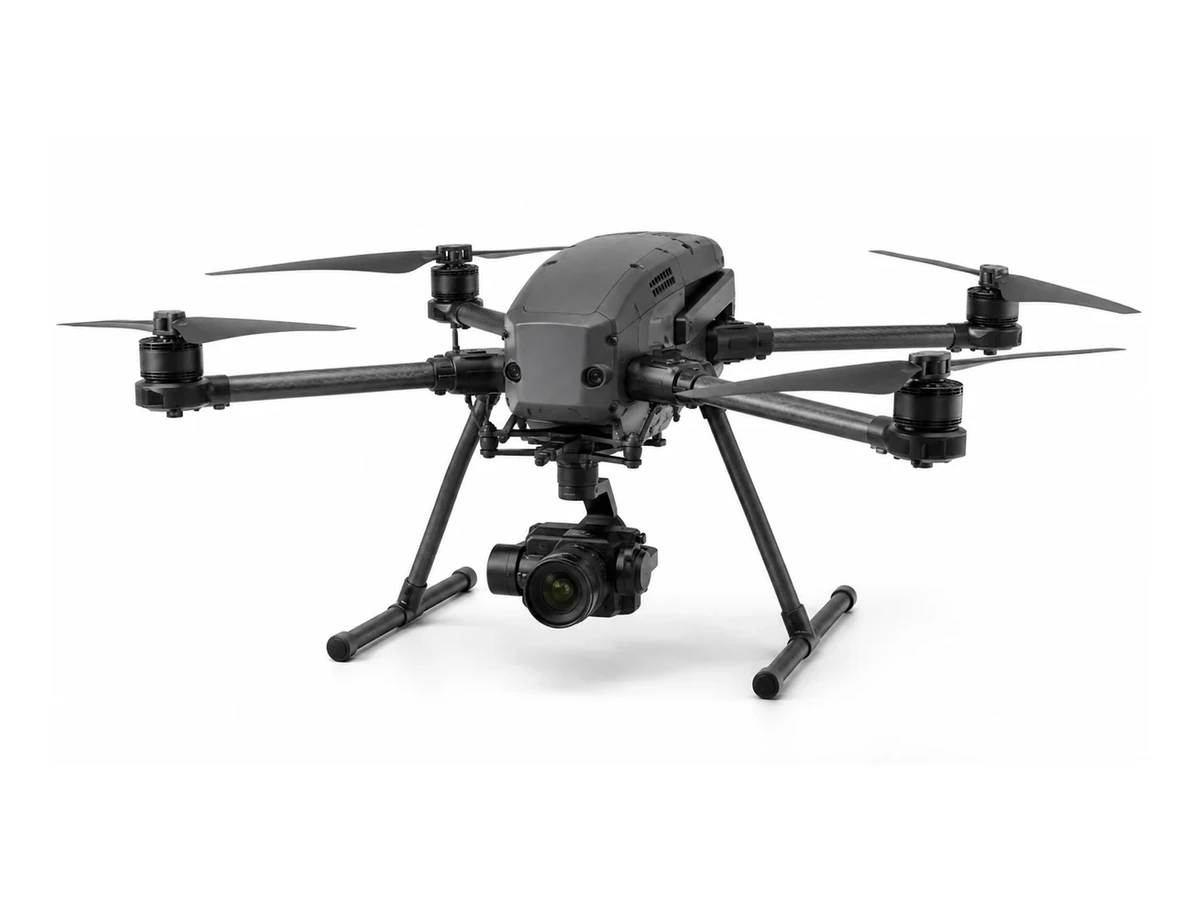
DJI Air 3S aimed at tracking, traveling and content creation. Compare weight, camera, stabilization, security and exact contents of the pack before deciding.
Add to comparison →Check the exact variant before buying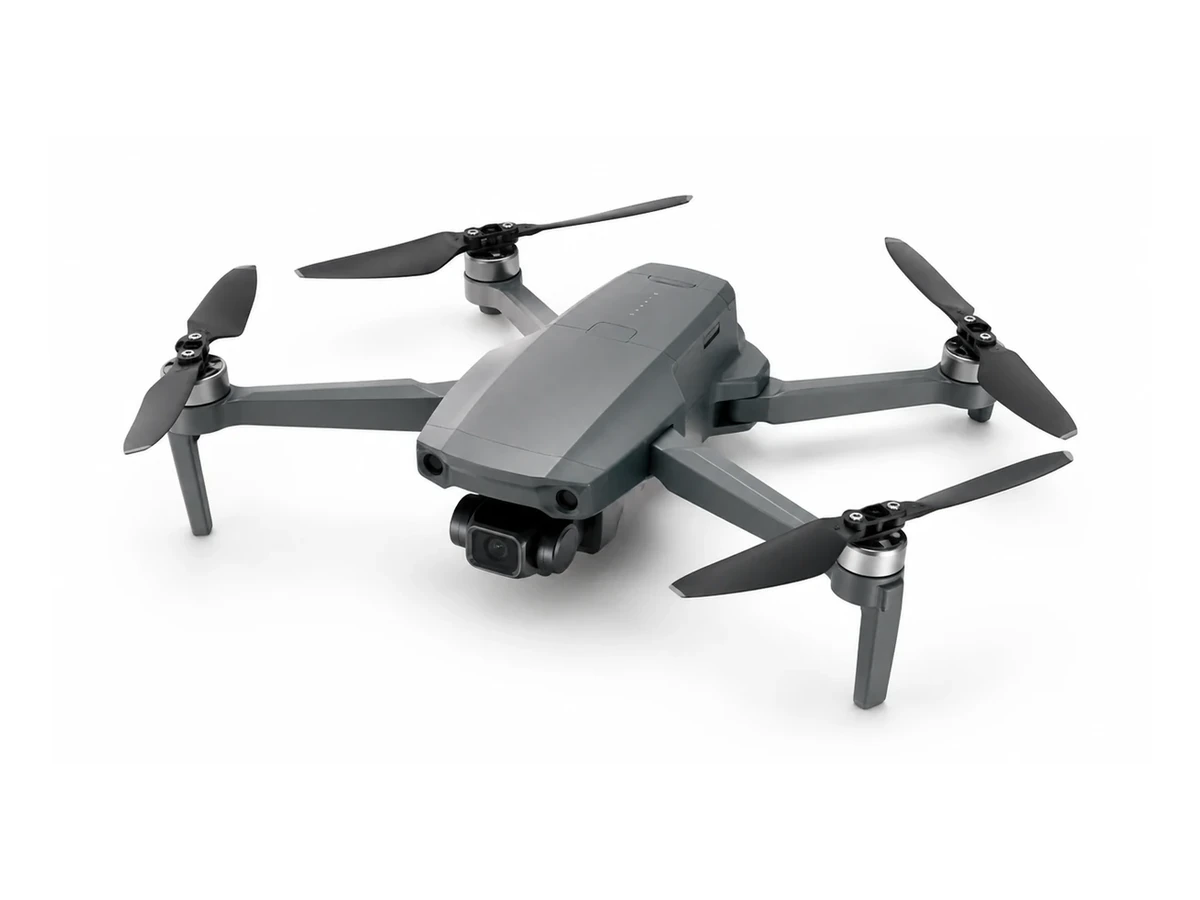 EDITORIAL REPRESENTATION
DJI Mini 4 Pro aimed at tracking, traveling and content creation. Compare weight, camera, stabilization, security and exact contents of the pack before deciding.
Add to comparison →Check the exact variant before buying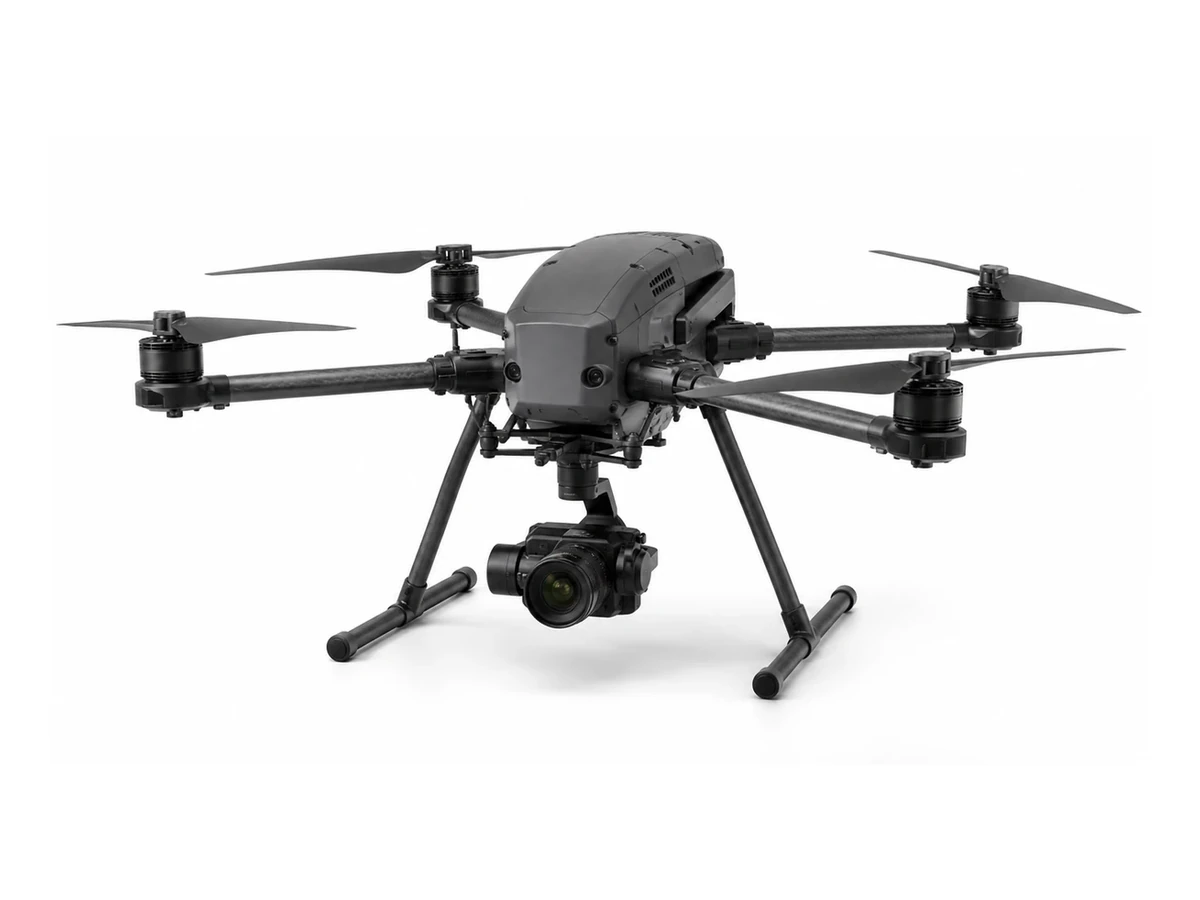 EDITORIAL REPRESENTATION
DJI Mavic 3 Pro aimed at photography, video and advanced audiovisual work. Compare weight, camera, stabilization, security and exact contents of the pack before deciding.
Add to comparison →Check the exact variant before buying